Try Our Free Design Services

Leather vs Fabric Upholstery: Which Is Right for You?

Leather works best for durability, easy cleaning, and a classic look that ages well. Fabric works best for softness, warmth, and a wider range of colors and patterns. The right choice depends on your household, your budget, and how you actually use your furniture every day.
Choosing new upholstery is one of those decisions that feels bigger than it should. You are not just picking a color. You are picking something that will sit in your living room for the next ten to fifteen years, survive spilled coffee, muddy paws, and Sunday afternoon naps, and still look good when guests come over. Leather and fabric each have loyal fans, and both can be the right answer depending on what your home actually needs.
We put together this guide to walk you through the real differences, not just the surface-level stuff. By the end, you will know exactly which material fits your life.
What Is the Real Difference Between Leather and Fabric Upholstery?
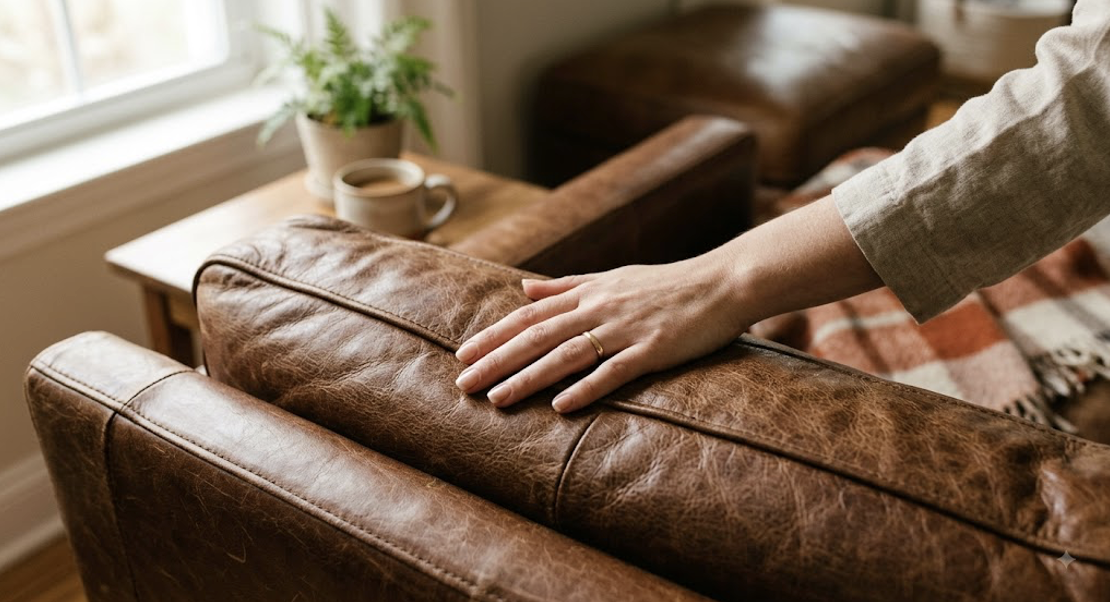
Leather is a natural animal hide that has been treated and finished for furniture use, while fabric upholstery is woven or knitted from natural or synthetic fibers. The two materials behave completely differently under stress, heat, and daily wear. Leather develops a patina over time, meaning it changes color and texture slightly as it ages, while fabric tends to wear down and fade rather than develop character.
This difference matters more than most shoppers realize. A leather sofa that gets a scuff often looks better after a few years, almost like a pair of broken-in boots. A fabric sofa with the same scuff usually just looks worn. On the other hand, fabric offers a texture and warmth that leather cannot match, especially in colder climates where sitting on a cold leather cushion in December is not exactly cozy.
Neither material is universally better. They are built for different priorities.
How Durable Is Leather Compared to Fabric?
Full grain and top grain leather are among the most durable upholstery materials available, often lasting 20 years or more with proper care. High quality fabric, especially performance weaves, can also last well over a decade, but it is more prone to visible wear patterns like flattening, pilling, or fading in sunlight.
Leather resists punctures and tears better than most woven fabrics because it is a single continuous material rather than thousands of interlocking fibers. This is part of why leather has been the go-to choice for high traffic commercial spaces like offices and waiting rooms for so long.
That said, durability is not just about the material itself. It is about how the material is used. A cheap bonded leather (a manufactured material made from scraps and adhesive) will not outlast a well-made performance fabric. When you are furniture shopping, always ask what grade of leather or type of fabric you are actually getting, because the label “leather” covers a wide range of quality levels.
The Three Grades of Leather You Should Know
- Full grain leather uses the entire hide with natural markings intact. It is the most durable and expensive option.
- Top grain leather has the top layer sanded and refinished for a more uniform look. It costs less than full grain but still holds up well.
- Bonded leather is made from leather scraps glued together with a fabric backing. It looks like leather at first but tends to peel and crack within a few years.
Knowing these grades before you shop can save you from a disappointing purchase down the road.
Which Material Handles Kids and Pets Better?
Leather is generally the better choice for households with young kids or pets because it wipes clean instantly and does not absorb liquids, odors, or pet hair the way fabric does. Fabric, especially performance fabric designed for stain resistance, can also work well but requires more active maintenance.
If you have ever tried to get crayon off a couch cushion, you already understand why leather has a loyal following among parents. A damp cloth handles most messes on leather in seconds. Fabric usually needs a specific cleaner, some blotting, and a little patience, and even then, certain stains can leave a faint mark.
Pet owners face a similar tradeoff. Leather does not trap fur or scratches the way some fabrics do, but claws can leave marks on lower grade leather. Fabric hides pet hair better on textured weaves but requires more frequent vacuuming to stay fresh.
If your household includes both kids and pets, look at performance fabrics or top grain leather with a protective finish. These middle ground options give you decent stain resistance without the higher price tag of premium leather.
What About Comfort and Temperature?
Fabric stays more temperature neutral throughout the year, while leather can feel cold in the winter and warm or even sticky in the summer, especially in direct sunlight. This is one of the most overlooked factors in the leather versus fabric decision, and it matters a lot depending on your climate and how your living room is set up.
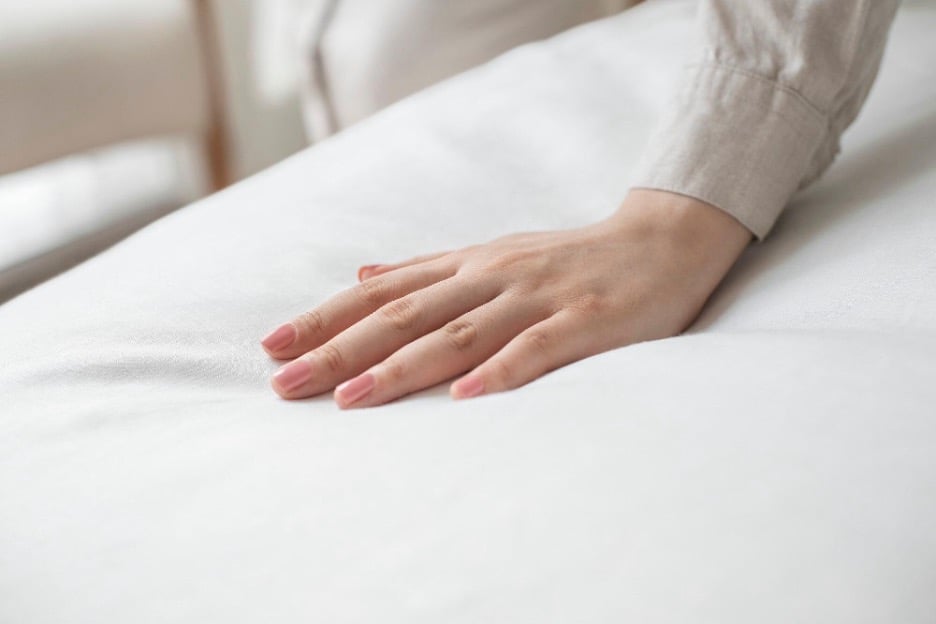
Fabric also tends to feel softer against bare skin, which is part of why so many families choose fabric sectionals for rooms where people lounge for hours at a time. Leather has a firmer, cooler feel that some people love and others find less comfortable for long movie nights.
If comfort is your top priority, sit on both materials in person before deciding. Photos and descriptions cannot tell you how a cushion will actually feel after twenty minutes of sitting.
How Do Maintenance Needs Compare?
Leather needs occasional conditioning to prevent cracking and should be kept out of direct sunlight when possible, while fabric needs regular vacuuming and occasional deep cleaning depending on the fiber type. Neither material is maintenance free, but the type of upkeep is very different.
Leather care is mostly about prevention. A leather conditioner applied every six to twelve months keeps the material supple and prevents the dry, cracked look that cheaper leather develops over time. Beyond that, leather mostly just needs wiping down.
Fabric care depends heavily on the fiber. Natural fibers like cotton and linen are comfortable but stain more easily and are harder to clean. Synthetic performance fabrics, often made from polyester blends, resist stains far better and are usually machine washable if the cushion covers are removable.
Quick Maintenance Comparison
- Leather: Wipe with a damp cloth weekly, condition every six to twelve months, avoid direct sunlight
- Natural fabric: Vacuum weekly, spot clean immediately, professional clean every one to two years
- Performance fabric: Vacuum weekly, spot clean with mild soap and water, most stains lift with basic cleaning
Think about how much time you realistically want to spend maintaining your furniture before you commit to either material.
Does Leather or Fabric Cost More?
Genuine leather furniture typically costs 30 to 50 percent more than comparable fabric pieces because of the material sourcing and tanning process involved. Leather’s longer lifespan can still make it a better long term value depending on how long you plan to keep the piece.
Fabric offers more flexibility at every price point. You can find budget friendly fabric sofas for a fraction of what leather costs, and premium performance fabrics that rival leather in price but offer a completely different look and feel.
When you are budgeting, think beyond the sticker price. A leather sofa that lasts 20 years might cost less per year of use than a fabric sofa that needs replacing every seven or eight years. On the other hand, if your taste changes often or you like to update your space every few years, fabric’s lower upfront cost and wider style range might make more financial sense.
Which Material Offers More Design Flexibility?

Fabric wins decisively when it comes to color, pattern, and texture options, since it can be dyed, woven, and printed in nearly unlimited ways. Leather is mostly limited to natural hide tones like brown, black, tan, and gray, with some colored leather options available at a higher cost.
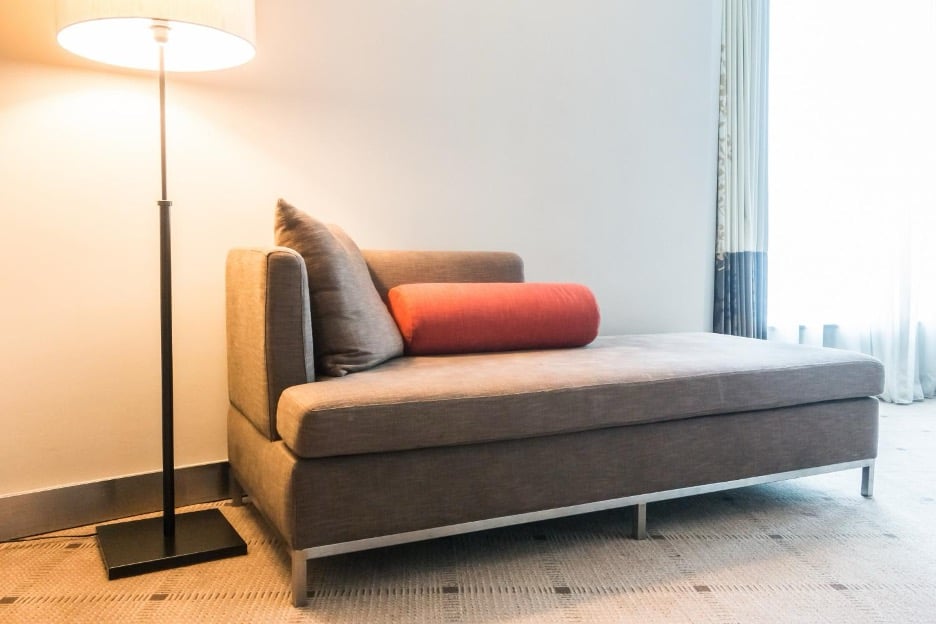
If you love bold colors, patterns, or a specific aesthetic like bohemian or coastal, fabric gives you far more room to express that style. Leather leans naturally toward traditional, modern, or industrial looks because of its limited color palette and structured appearance.
This is not a small consideration. Your furniture sets the tone for the whole room, and if you are someone who likes to change up throw pillows, rugs, and accessories seasonally, fabric’s neutral versatility or bold pattern options give you more to work with.
What Should You Consider for Allergies and Air Quality?
Leather is generally better for households with allergies since it does not trap dust, dander, or allergens the way woven fabric fibers can. Fabric, especially textured or high pile options, can hold onto allergens between cleanings even with regular vacuuming.
This is worth mentioning because it rarely comes up in typical buying guides, yet it can make a real difference for families managing asthma or seasonal allergies. Leather’s smooth, non-porous surface simply gives allergens nowhere to hide.
If allergies are a concern in your home but you still prefer the look of fabric, look for tightly woven performance fabrics rather than looser, textured weaves like chenille or boucle. The tighter the weave, the less room there is for dust and dander to settle in.
Common Mistakes to Avoid When Choosing Upholstery
Many shoppers make the same handful of mistakes when choosing between leather and fabric, and knowing them ahead of time can save you money and frustration.
- Not checking the leather grade. Assuming all leather is created equal leads to disappointment when bonded leather starts peeling within a couple of years.
- Choosing fabric based on color alone. A beautiful fabric that is not stain resistant can look worn within months in a busy household.
- Skipping the in-person test. Comfort and texture cannot be judged from a photo. Always sit on the piece before buying if you can.
- Ignoring the room’s sunlight exposure. Both leather and certain fabrics can fade or dry out in direct sunlight over time, so consider your room’s layout before falling in love with a specific piece.
- Forgetting about pets and kids in the decision. Buying a light colored, natural fiber sofa in a home with young kids or shedding pets often leads to regret within the first year.
Avoiding these common pitfalls puts you in a much stronger position to make a choice you will still be happy with years down the road.
Frequently Asked Questions
Is leather or fabric better for a family with young children?
Leather tends to work better for young families because it wipes clean instantly and resists staining better than most fabrics. If you prefer fabric, choose a performance fabric designed for stain resistance to get similar practical benefits.
Does leather crack over time?
Lower grade or poorly maintained leather can crack, especially with sun exposure and infrequent conditioning. Full grain and top grain leather that is conditioned regularly rarely develops cracking issues.
Can fabric furniture last as long as leather?
High quality performance fabric can last well over a decade with proper care, though it typically shows wear patterns sooner than durable leather grades. The lifespan gap has narrowed significantly as fabric technology has improved.
Is fake leather a good alternative to real leather?
Faux leather, also called vegan leather or leatherette, costs less upfront but generally does not last as long as genuine leather and can crack or peel within a few years. It can still be a reasonable choice for lower traffic rooms or tighter budgets.
Which material is easier to clean, leather or fabric?
Leather is easier to clean for everyday spills since a damp cloth handles most messes immediately. Fabric requires more specific cleaning methods depending on the fiber type and stain.
Finding the Right Fit for Your Home
Choosing between leather and fabric comes down to your household’s daily reality. Leather offers unmatched durability, easy cleaning, and a look that improves with age, making it a strong choice for busy households, pet owners, and anyone who wants furniture that lasts decades. Fabric offers warmth, comfort, and nearly unlimited design flexibility, making it the better fit for households that prioritize color, texture, and a cozy feel over low maintenance.
We know that choosing new furniture is a big decision, and we want you to feel confident in whatever you choose. Whether you lean toward the durability of leather or the comfort and style range of fabric, the right piece is the one that fits how your family actually lives. We are here to help you find furniture that looks great and holds up to real life, season after season and year after year.